



Have you recently undergone dry needling therapy and are eager to get back to your exercise routine? Understanding when it’s safe to resume physical activity after a session of dry needling is crucial for optimising both your recovery and the benefits of your workout.
So, how long after dry needling can I exercise?
Typically, it’s wise to wait at least 24 hours before engaging in heavy exercise following dry needling. Light activity, however, can be beneficial almost immediately as it prevents muscles from stiffening and promotes blood circulation, helping to alleviate soreness more effectively.
Whether you’re a dedicated athlete or simply someone looking to stay active and pain-free, navigating this post-treatment period effectively can make a significant difference in your overall well-being. In this guide, we’ll explore the essential considerations and expert tips to help you determine how long you should wait before hitting the gym or hitting the trails after your dry needling session.
How Long After Dry Needling Can I Exercise? A Quick Overview
After dry needling, taking a cautious approach to resuming exercise is key. A good rule of thumb is to allow your body at least 24 hours of recovery before undertaking any intense workouts. Light exercises, such as gentle walking or stretching, are encouraged earlier as they can prevent muscle stiffness and enhance blood flow to the affected areas. This balance ensures your body heals without introducing new strains or prolonging recovery.
Experience Relief with FlexiFit Physiotherapy
If you’re searching for a way to enhance your recovery and reduce muscle tension, consider FlexiFit Physiotherapy’s expert dry needling services. Our trained specialists are here to guide you through each step, ensuring a comfortable and effective treatment.
Ready to transform your approach to health and wellness? Take the first step towards feeling your best and see the positive changes in your mobility and pain levels. Call us today at 02 8542 9507 or visit our Contact Us page to book your session. We’re here to help you on your journey to better health!
Is It a Good Idea to Exercise After Dry Needling?
When considering physical activity after dry needling, it’s crucial to understand the balance between rest and movement. Health professionals often recommend light to moderate activity as it can enhance the therapy’s benefits. Light exercise post-treatment isn’t just safe; it can actively promote muscle recovery and increase blood flow, helping the body’s healing process.
However, it’s essential to consult with your therapist about the timing and type of exercise that’s best for you after your session. Exercising after dry needling can accelerate your recovery, but it’s all about choosing the right type of activity. Gentle movements that don’t strain the treated areas but promote increased circulation and flexibility can significantly enhance your well-being and speed up the healing of the affected muscles.
Drawbacks of Exercise After Dry Needling
Engaging in physical activity after dry needling can be beneficial, but it is not without risks, especially if the exercise is too intense or too soon. Awareness of these potential drawbacks is essential to prevent any adverse effects that might compromise your recovery and overall health.
Increased Muscle Soreness
One of the immediate concerns after dry needling is the increased risk of muscle soreness. Exercising too vigorously after the procedure can aggravate the muscles that were just treated. The micro-traumas created by the needles are meant to start a healing process, and overloading these muscles through high-intensity workouts can intensify discomfort and delay recovery.
Risk of Injury
The muscles and tissues treated during dry needling are temporarily weakened and more susceptible to injury. Engaging in strenuous activities can lead to muscle strains or other injuries. It’s important to allow sufficient time for your body to heal before resuming any vigorous exercise that could pose a risk to the treated areas.
Exacerbation of Pinpoint Bleeding or Bruising
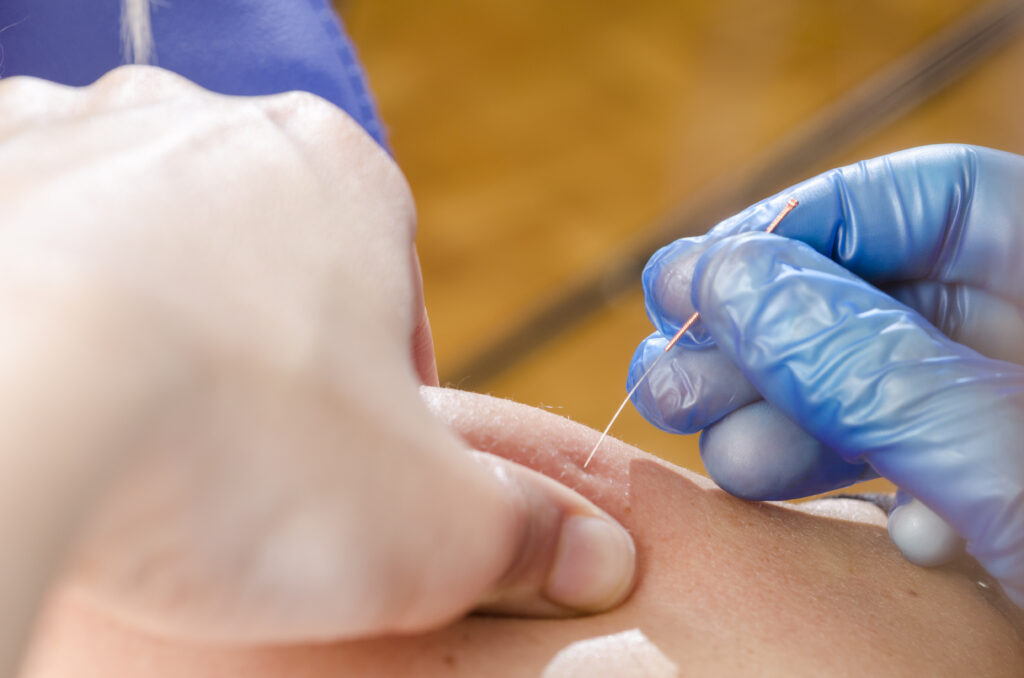
Dry needling involves penetrating the skin and muscle tissues with thin needles, which can sometimes cause pinpoint bleeding and bruising. Exercising immediately after treatment can increase blood flow to these areas, potentially exacerbating these symptoms. This leads to additional discomfort and extends the visual signs of treatment, such as bruising.
Interference with the Healing Process
Physical activity can interfere with the healing benefits intended by dry needling. The process is designed to elicit the body’s natural healing response, and too much movement too soon can disrupt this. For instance, the body may be redirecting blood flow and nutrients to repair the micro-traumas, and excessive exercise might divert these healing resources away from the treated areas.
Delayed Recovery Time
Lastly, exercising too soon after dry needling can prolong the overall recovery time. Instead of allowing the body to rest and naturally go through its healing phases, premature exercise can strain the muscles and tissues, requiring even more time for recovery. This can be frustrating for those eager to return to their normal fitness routines but finding themselves sidelined due to extended muscle recovery or unexpected injuries.
Exercises to Avoid After Dry Needling
Immediately following your dry needling session, certain exercises should be avoided to prevent any adverse effects. The primary concern is avoiding activities that might strain the treated areas too soon, potentially leading to increased discomfort or delayed healing.
High-Impact Cardio Exercises
Activities, such as running or high-impact aerobics, can be particularly harmful immediately after treatment. These exercises can cause jarring and vibrations that may disrupt the healing muscles and tissues, leading to increased pain and possibly extending recovery time. It is advisable to wait until the treated areas feel less sensitive and more healed before reintroducing these high-impact exercises.
Heavy Weight Lifting
Lifting heavy weights can put excessive strain on the muscles, especially those that have just been treated with dry needling. Engaging in heavy lifting too soon can lead to muscle overload, which not only hurts the recovery process but can also cause serious injury. Allow your body a chance to recover by initially avoiding strenuous weightlifting sessions.
Intense Core Workouts
Core workouts often involve complex, intense movements that can be too demanding immediately following dry needling. These exercises might disrupt the targeted muscles’ recovery process, leading to potential setbacks. It’s recommended to ease back into more strenuous core exercises once your body has adequately healed.
Advanced Yoga Poses
While yoga is often beneficial, advanced poses requiring extensive stretching or pressure should be avoided right after dry needling. These poses can place unnecessary stress on the treated muscles and potentially lead to injury or discomfort, detracting from the benefits of the treatment.
Contact Sports
Engaging in contact sports soon after treatment can expose you to impacts and physical stress that may aggravate treated areas. Sports like football or basketball should be resumed only after ensuring complete recovery of the muscles involved in dry needling, to avoid any complications.
Exercises You Can Do After Dry Needling
After undergoing dry needling, there are several gentle and beneficial exercises that you can safely perform to aid your recovery. These activities are designed to keep you moving and ensure your muscles remain active without imposing excessive strain.
Walking
This is one of the safest and most therapeutic exercises after dry needling. Walking helps maintain mobility, encourages blood circulation and ensures that your muscles stay active without undergoing the stress of more vigorous workouts. A gentle walk can also help reduce stiffness and promote a quicker recovery.
Gentle Stretching
Stretching exercises that are not too demanding can be highly beneficial after dry needling. Gentle stretching helps maintain flexibility and can ease any muscle tightness, assisting the healing process without overstressing the treated areas. Ensure these stretches are light and focus on gradually increasing the range of motion.
Light Yoga
Yoga that focuses on balance and light stretching can be incredibly beneficial post-dry needling. Opt for yoga routines that emphasise gentle movements, helping to align your body and soothe your muscles without excessive pressure or strain.
Swimming
Swimming offers a unique advantage due to the buoyancy of water, which reduces strain on all body parts. Engaging in light swimming can be a great way to keep your body moving and encourage muscle function without the impact and stress associated with many land-based exercises.
Tai Chi
Tai Chi is known for its slow and deliberate movements, which can be ideal for someone recovering from dry needling. This form of exercise emphasises control and fluidity, aiding in stress reduction and muscle relaxation without overexertion.
Summing Up
Understanding when and how to safely exercise after dry needling is crucial for your recovery. While light activities are beneficial shortly after treatment to keep muscles flexible and promote circulation, it’s essential to avoid strenuous workouts for at least 24 hours to ensure the healing process isn’t disrupted. By listening to your body and following these guidelines, you can maximise the therapeutic benefits of dry needling while maintaining your overall fitness. For personalised guidance that aligns perfectly with your individual needs and recovery progress, consult with a professional about crafting the best post-treatment exercise plan tailored specifically for you.