



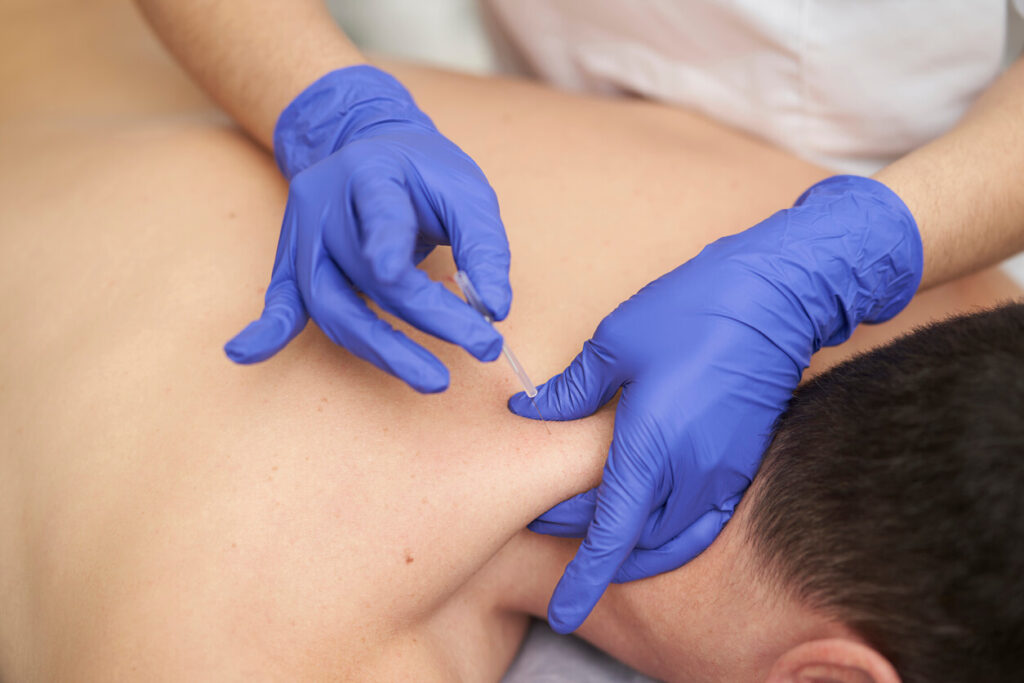
Dry needling can be a game-changer for relieving muscle pain and improving mobility, but what you do after your session is just as important as the treatment itself. Knowing what not to do after dry needling helps protect the treated areas and aid your body’s natural healing process. Missteps can delay recovery and potentially lead to increased discomfort or other negative outcomes.
After undergoing dry needling, it is important to avoid any rigorous physical activity and to rest the treated area for at least 24 hours. This rest period helps your body begin the healing process without further stress on the affected muscle tissues.
Have you recently undergone dry needling and are wondering how to ensure the best possible recovery? In this blog, we’ll cover the key things you should steer clear of after dry needling to make sure you’re on the right track to feeling your best.
What Not to Do After Dry Needling – A Short Answer
Understanding what to avoid after dry needling is essential for a smooth recovery. Activities that could exacerbate inflammation or strain the treated muscles should be avoided. These include engaging in strenuous exercise, applying heat to the treated areas, consuming alcohol, undertaking long travels and massaging the affected spots. Avoiding these actions can prevent complications and enhance the effectiveness of your treatment.
Experience Premier Dry Needling Services at FlexiFit Physiotherapy
If you’re seeking effective relief from muscle pain, FlexiFit Physiotherapy offers top-tier dry needling services that cater to your specific needs. Our skilled practitioners are experts in alleviating discomfort and enhancing muscle function, ensuring you receive the highest standard of care. Trust us to provide a tailored approach that targets your unique issues.
Don’t let muscle pain hold you back. Call us now at 02 8542 9507 or visit our Contact Us page to book your appointment. We’re here to help you achieve optimal wellness with our expert dry needling services.
10 Things to Avoid After Dry Needling
After receiving dry needling therapy, certain activities and behaviours should be avoided to prevent any adverse effects and to optimise the healing benefits. Here are 10 critical points to consider:
1. Avoid Strenuous Exercise
Physical exertion following dry needling can be particularly appealing if you feel a surge of energy. However, engaging in strenuous activities during the initial recovery phase is not advisable. Intense workouts could not only increase muscle soreness but also potentially reverse the therapeutic effects of the session.
During this period, your muscles are in a state of repair, and overloading them with heavy exercise might lead to setbacks in your recovery. It is generally recommended to allow your body a recovery window of at least 24 to 48 hours before undertaking any vigorous physical activities. Consider focusing on light activities like walking or gentle stretching, which can aid in circulation and muscle relaxation without imposing undue strain.
2. Do Not Apply Heat to the Treated Area
While applying heat to sore muscles is a common form of relief, it should be avoided in the immediate aftermath of dry needling. The treated areas are likely to be more sensitive and prone to swelling, and adding heat can exacerbate these symptoms by increasing inflammation. This can delay the healing process and counteract the benefits of the needling.
Instead of heat, consider using a cold compress to soothe any discomfort. The cold helps reduce inflammation and numbs sore areas, providing relief without impeding the recovery process. Ensure that the cold compress is applied intermittently for about 20 minutes, followed by at least 40 minutes off to avoid skin damage or irritation.
3. Stay Away from Alcohol Consumption
Alcohol consumption after dry needling can be detrimental to your recovery. Alcohol has a well-documented effect on increasing bodily inflammation, which can interfere with the healing mechanisms typically initiated by dry needling. In addition, alcohol can impair your immune system’s efficiency, slow down the recovery process and increase susceptibility to infection.
To ensure optimal healing, it is advisable to refrain from alcohol consumption for at least 24 hours after your treatment. Staying hydrated with water or electrolyte-rich drinks can also aid in flushing out toxins and facilitate a quicker recovery.
4. Avoid Immediate Long Travels
Travelling for long periods immediately after receiving dry needling can be strenuous on your body. Being confined to a single position whether sitting or standing for extended durations can exacerbate stiffness and add stress to the already sensitive treated muscles.
If travel is unavoidable, make it a priority to incorporate frequent breaks where you can stretch and move around. These short sessions of mobility can significantly reduce discomfort and aid in maintaining muscle function.
Additionally, using supportive cushions or adjustable seats can help maintain an ergonomic posture during your journey, reducing the risk of added muscle strain.
5. Skip the Massage
Post-dry needling, the treated muscles are exceptionally delicate and responsive. While massaging may seem like a soothing option to relieve tightness or soreness, it is crucial to avoid it. Manipulating the muscles through massage can lead to increased soreness, swelling or even bruising, as these areas are more susceptible to damage shortly after treatment.
Instead of massage, gentle mobility exercises and stretching can be beneficial in promoting blood flow and relieving tension without the aggressive force that massage may impart. Allow at least a few days for the tissues to heal before considering any form of massage therapy to ensure your muscles are ready to handle it without adverse effects.
6. Resist the Urge to Stretch Excessively
While gentle stretching is a key component of many recovery protocols, it’s essential to approach this practice with caution following dry needling. Excessive or aggressive stretching can strain the already sensitive muscles that were targeted during treatment. This could exacerbate inflammation and lead to additional tissue damage.
It’s important to listen to your body and limit yourself to mild, controlled movements that do not provoke pain or discomfort. Also, focus on maintaining a range of motion with soft stretches that do not push the muscles beyond their comfortable limit. This approach helps facilitate blood flow and healing without risking injury.
7. Avoid Taking Anti-Inflammatory Medication Immediately
The immediate use of non-steroidal anti-inflammatory drugs (NSAIDs) following dry needling can be counterproductive. While these medications are effective at reducing inflammation, they can also hinder the body’s natural healing processes that dry needling seeks to stimulate.
Instead of NSAIDs, consider using other pain relief methods that do not affect the inflammation pathway in the same way. The inflammatory response is a critical aspect of the healing process, helping to deliver nutrients and immune cells to the site of tissue repair.
Always consult your healthcare provider before taking any medication post-treatment to ensure it is appropriate for your specific situation.
8. Do Not Ignore the Body’s Pain Signals
After undergoing dry needling, it is crucial to be attuned to what your body is telling you. Any pain or discomfort experienced post-treatment should be taken seriously as a clear indication that your body is still healing. Ignoring these pain signals and continuing normal activities cannot only delay recovery but also lead to more severe injuries or complications.
Furthermore, adjust your daily activities to accommodate your body’s needs and allow for adequate rest and recovery. This mindful approach ensures you do not overtax your muscles, allowing them to heal optimally.
9. Avoid Stressful Activities
Stress has a pronounced impact on physical well-being, especially when recovering from a procedure like dry needling. Psychological stress can manifest physically, tightening the muscles which can exacerbate pain and hinder recovery.
To support healing, it’s beneficial to engage in activities known to reduce stress. Consider incorporating relaxation techniques, such as deep breathing exercises, meditation, gentle yoga or reading. These activities not only help in reducing stress but also promote a more positive mental state, which is conducive to healing. By maintaining a calm and stress-free environment, you can enhance your body’s ability to recover from the treatment effectively.
10. Do Not Soak in a Hot Bath or Spa
A hot bath or a soak in a spa might seem appealing for relaxation and muscle relief, but it is advisable to avoid such activities immediately following dry needling. Exposure to high temperatures can lead to increased inflammation, which is particularly detrimental in the initial stages of healing. This can slow down the recovery process and increase discomfort.
Instead, allow sufficient time for the initial acute phase of healing to pass before considering heat exposure. Cold treatments, such as cold packs, can be used in moderation to help manage swelling and soothe the treated areas. You might also need to consult your healthcare professional for guidance on when it would be safe to resume activities like hot baths or spa visits.
Wrapping Up
To ensure you gain the full benefits of dry needling without unnecessary setbacks, carefully following post-treatment guidelines is key. Remember, the goal of dry needling is to alleviate discomfort and enhance muscle function, so taking proper care of yourself after the procedure is paramount. Avoid strenuous activities, direct heat, alcohol, long periods of travel and premature massaging of the area. By following these guidelines, you provide your body with the best conditions for a swift and effective recovery.
In addition, keep an eye on how your body feels and check in with your healthcare provider if anything seems off during your recovery. Being mindful of these tips can really make a difference in how well you heal and get you feeling better faster.