




Are you feeling sore after your dry needling session and wondering how long this discomfort will last?
Dry needling is an effective treatment for muscle tension and pain, but it’s common to experience some soreness afterwards. Managing this discomfort effectively is key to a swift recovery.
So, how long are you sore after dry needling?
Typically, soreness after dry needling can last from a few hours to several days. This duration varies based on the treatment’s intensity, the specific areas targeted and your body’s response. While discomfort is normal, there are several ways to manage it and speed up your recovery.
Keep reading to know what to expect in terms of soreness duration and what factors can influence your recovery time.
How Long Are You Sore After Dry Needling? A Short Answer
After undergoing dry needling, it’s normal to experience some degree of muscle soreness. Typically, this discomfort reaches its peak within the first 24 to 48 hours and then gradually subsides over the following days. Factors, such as the scope of the treatment, your age and overall muscle health, play a crucial role in determining the length of soreness. Adequate hydration, proper nutrition and gentle movement can help mitigate the soreness and facilitate a quicker recovery.
Ready to Alleviate Your Muscle Pain?
Struggling with muscle tension or soreness? FlexiFit Physiotherapy offers expert dry needling services that could be just what you need. Our experienced therapists are skilled in targeting those deep-seated trigger points, providing relief and enhancing your muscle function.
Don’t let pain hold you back from living your best life. Call us at 02 8542 9507 or visit our Contact Us page for more information.
How Does Dry Needling Work?
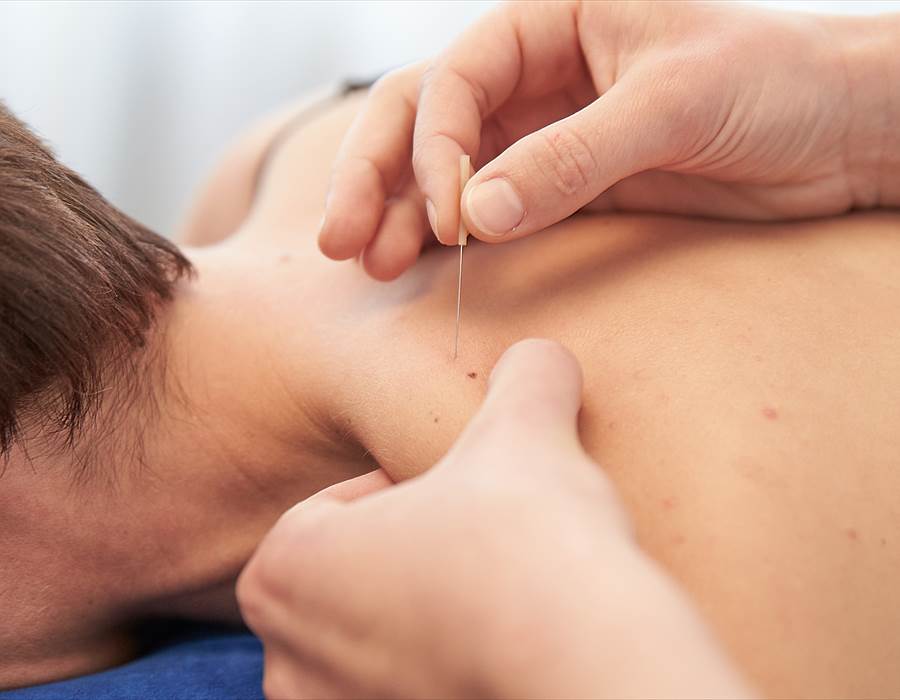
Dry needling involves the precise insertion of thin needles into specific muscle trigger points. This technique targets the knotted or hard muscle areas that often cause pain. By penetrating these trigger points, dry needling aims to release tension and alleviate muscle pain effectively. The relief from pain is primarily due to the release of tension in muscle fibres and the increase in blood flow to the affected area.
Dry needling also stimulates the nervous system, which can reduce pain signals and boost endorphin levels. This process helps to enhance overall pain relief.
Why Do You Feel Sore After Dry Needling?
The insertion of needles, albeit thin and minimally invasive, is perceived by the body as a tiny injury, which triggers a natural healing response. This includes inflammation, which is a fundamental part of the healing process but also the cause of soreness post-treatment.
This soreness is not just a response but a sign that the healing process is underway. The muscles react to the small punctures by increasing inflammatory agents that aid in recovery. However, it also causes temporary discomfort.
Is It Normal to Feel Sore After Dry Needling?
Experiencing soreness after dry needling is entirely normal and expected. Most patients report a feeling of muscle soreness, similar to that experienced after a rigorous workout. This discomfort can last from a few hours to several days.
Factors Affecting the Time You Feel Sore After Dry Needling
The extent of soreness varies widely among individuals. Factors, such as personal pain tolerance, muscle condition and the specific area treated, can influence the intensity and duration of soreness experienced by each person.
Treatment Intensity and Scope
The more extensive the area treated and the deeper the needle penetration, the more likely you are to experience prolonged soreness. Additionally, repeated sessions may lead to increased soreness initially as the muscles adjust to the treatment.
Patient’s Age and Muscle Condition
Older adults or those with chronic muscle conditions may find that they experience soreness for a longer period post-treatment. Younger individuals or those in better physical condition may recover more quickly.
Hydration and Nutritional Status
Staying hydrated and maintaining a balanced diet rich in nutrients can significantly impact the recovery time. Proper hydration helps flush out toxins released during muscle manipulation, while nutrients aid in muscle repair.
What to Do If You Are Feeling Sore After Dry Needling
After dry needling, it’s crucial to focus on proper care to alleviate soreness and enhance the healing process. Here are a few practical steps you can take to manage discomfort effectively.
Use Ice Packs
Applying ice packs to the treated areas can help reduce inflammation and numb the soreness temporarily. This method is particularly effective for immediate post-treatment care, helping to control swelling and provide quick relief.
Stay Hydrated
It’s crucial to drink more water after treatment to support your recovery process. Hydration accelerates the elimination of metabolic waste produced during the healing process and ensures that your muscles remain well-nourished and more resilient against soreness.
Gentle Stretching
Gentle stretching in your recovery routine helps loosen the treated areas, improving flexibility and blood circulation. Improved blood flow brings more nutrients to the sore spots, which can speed up healing and reduce discomfort.
Over-the-Counter Pain Relief
For those experiencing persistent or intense soreness, over-the-counter pain relievers can provide relief. It’s important to use these medications as directed and consult with a healthcare provider to ensure they are appropriate for your specific situation.
Rest and Recovery
Dedicating time to rest and avoid strenuous activities is vital. Rest allows your body to naturally repair and strengthen the treated areas without additional stress, which can reduce the likelihood of prolonged soreness.
What to Avoid If You Are Feeling Sore After Dry Needling
While recovering from dry needling, there are certain activities and substances you should avoid to prevent worsening the soreness or delaying the healing process.
Avoid Intense Physical Activity
Engaging in high-intensity activities soon after treatment can aggravate the treated muscles, potentially leading to increased pain and a longer recovery period. It’s advisable to keep physical activity light and gentle for a few days.
Steer Clear of Alcohol
Alcohol consumption can lead to increased inflammation and dehydration, which may worsen soreness and impede the healing process. It’s best to avoid alcohol to allow your body to recover efficiently.
Skip the Sauna or Hot Tub
While it might seem soothing, exposing treated muscles to high heat can increase inflammation and discomfort. Avoid saunas and hot tubs to prevent additional swelling and prolonging recovery time.
Don’t Massage the Affected Area
While massage generally helps in muscle recovery, applying direct pressure to newly treated areas can be harmful. It’s advisable to avoid massaging the specific dry needling sites until they have adequately healed.
Limit Caffeine Intake
Caffeine can restrict blood flow by constricting blood vessels, which might delay the healing process. Reducing caffeine consumption can help your body recover more effectively from the soreness associated with dry needling.
Wrapping Up
While dry needling is highly effective for treating muscle pain, the soreness that follows can be a concern. This soreness is a normal part of the healing process, and knowing how to manage it effectively can greatly enhance your comfort and recovery. It is good to note that the duration of soreness varies depending on individual factors and the specifics of the treatment.
By adopting simple recovery strategies, such as staying hydrated, using ice packs and engaging in gentle stretching, you can ensure a smoother and quicker return to your daily activities. Always listen to your body and consult with your healthcare provider if you have concerns about your post-treatment symptoms.