




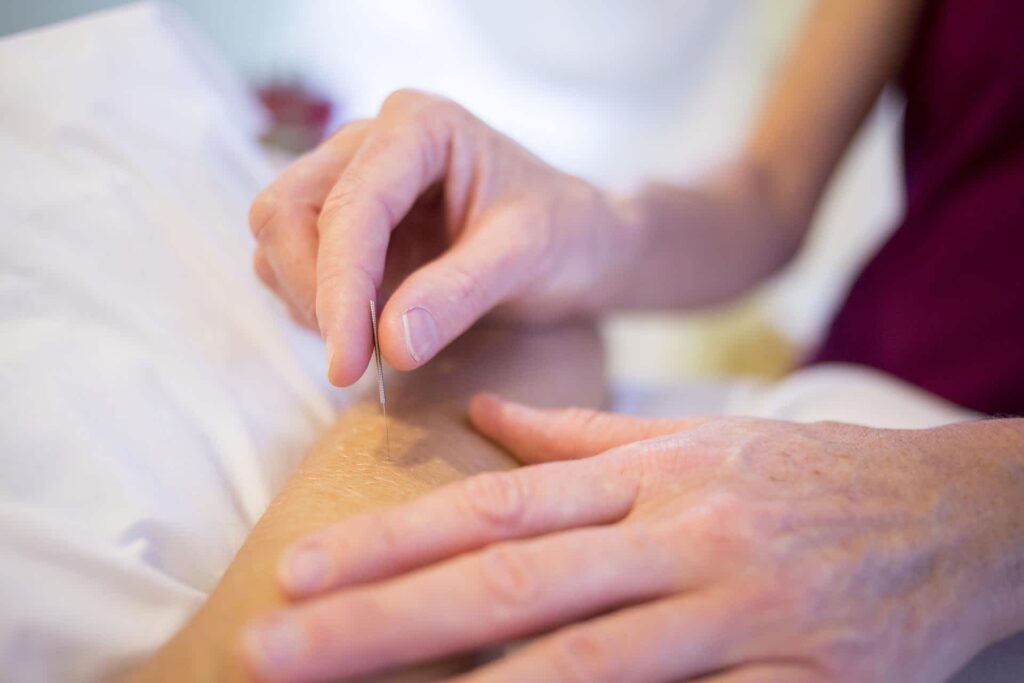
Feeling sore or unsure about how long to rest after your dry needling session?
It’s a common concern, especially since proper recovery is key to getting the most out of your treatment. Knowing the right amount of downtime can significantly enhance your recovery and overall health benefits.
So, how long should you rest after dry needling?
It’s generally recommended to rest for at least 24–48 hours before resuming strenuous activities. This allows your muscles to recover from the fatigue and heaviness that often follow a dry needling session.
Want to make the most of your recovery? Let’s explore some tips to ensure you’re on the right track.
How Long Should You Rest After Dry Needling? A Quick Answer
After undergoing dry needling, it’s important to allow your body adequate time to recuperate. Resting for a minimum of 24 to 48 hours is essential, particularly if you’re planning to return to activities like weightlifting or intense cardio. This period helps mitigate any muscle heaviness or fatigue, providing your tissues with the necessary time to heal and regain strength.
Experience the Benefits of Dry Needling with FlexiFit Physiotherapy
If you’re looking to enhance your recovery and wellness, FlexiFit Physiotherapy offers expert dry needling services designed to relieve muscle tension and improve mobility. Our skilled practitioners are here to guide you through a tailored treatment plan that addresses your specific needs.
Don’t let muscle pain hold you back—discover how dry needling can help you regain comfort and enhance your overall quality of life. For more information or to book your appointment, call us today at 02 8542 9507 or visit our Contact Us page. We’re here to help you move better and feel better.
The Importance of Taking Rest After Dry Needling
Rest plays a key role in your body’s healing process after dry needling. It not only helps the puncture sites heal but also allows your muscles to recover from the micro-traumas caused by the needles. Without adequate rest, you risk inflammation and muscle spasms, potentially negating the therapy’s benefits.
Muscles require time to heal and adapt after being targeted during dry needling. Rest aids in this recovery by allowing the body to initiate repair processes without additional stress. Skipping rest can delay these processes and extend discomfort or pain.
Proper rest also enhances the therapeutic effects of dry needling by allowing the body’s natural healing mechanisms to work uninterrupted. During rest, blood flow to the affected area increases, supplying nutrients and oxygen vital for muscle repair and reducing soreness.
Not resting enough after a session can lead to increased soreness, swelling or even bruising around the needle sites. It can also escalate the risk of more severe muscle damage, complicating your recovery further.
Benefits of Proper Rest After Dry Needling
Adhering to recommended rest periods after dry needling can significantly enhance your recovery and improve overall outcomes. Below are common benefits of taking rest after dry needling that you must know.
Faster Recovery Times
By allowing your body sufficient downtime, you enable the natural recovery mechanisms to function without additional strain. This focused healing helps reduce overall downtime and facilitate a quicker return to daily activities and responsibilities. Adequate rest also ensures that the body’s adaptive processes to the microtraumas caused by dry needling occur in a timely and effective manner.
Reduced Risk of Complications
When the body is allowed to rest, it is less likely to suffer from issues, such as muscle tears, infections at the needle sites or chronic pain conditions that can arise from overexertion post-treatment. This preventive measure keeps your recovery on a smooth and predictable path, free from unexpected setbacks.
Long-term Improvements in Muscular Function
Proper rest periods help ensure that the muscles fully recover and strengthen from the intervention, thereby enhancing their functionality and resilience. This is particularly important for preventing future injuries and maintaining optimal muscle performance, which contributes to overall mobility and quality of life.
Factors Affecting the Time You Should Rest After Dry Needling
The optimal rest duration after dry needling can vary widely depending on several individual factors. Here are some key considerations to help determine how long you should rest:
- Individual Pain Threshold and Response: Everyone’s pain tolerance and recovery rate differ, influencing how much rest is necessary. Some might find themselves ready to resume light activities sooner, while others may require extended downtime.
- Treatment Intensity and Scope: The extent and intensity of the dry needling session play a significant role in determining necessary rest. Extensive treatment over multiple muscle groups typically demands longer rest periods compared to minimal needling.
- Age and Physical Condition: Younger individuals and those in better physical condition often recover quicker and might require less rest. In contrast, older adults and those with certain health conditions may benefit from extended rest periods to fully recover.
- Activity Level and Lifestyle: Active individuals or those with physically demanding jobs may need to consider longer rest periods to prevent overloading the muscles that were treated.
- Hydration and Nutrition: Proper hydration and nutrition can expedite healing, potentially reducing the need for prolonged rest. A well-nourished body recovers faster, which can influence how quickly you can safely return to normal activities.
- Follow-up Care and Adjustments: Follow-up sessions may adjust the need for rest. If symptoms persist or if adjustments to the treatment plan are made, this might extend or shorten the rest period recommended by your healthcare provider.
By taking these factors into account, you can better understand and plan the necessary rest period after your dry needling treatment, ensuring a recovery that is as quick as it is effective.
What to Do After Dry Needling
After your session, it’s crucial to take specific steps to ensure a smooth recovery. Make sure to follow these important tips post-needling.
Immediate Steps Post-Treatment
Right after your dry needling procedure, prioritise maintaining the cleanliness of the treated area to prevent any infection. Refrain from engaging in vigorous physical activities that could overly strain the muscles, potentially leading to increased pain or injury. Instead, incorporate gentle stretching and leisurely walks into your recovery process. These activities help keep the muscles active and flexible, promoting better blood flow and faster healing without the risk of re-injury.
Hydration
Drinking ample water aids the body’s natural healing processes by facilitating metabolic functions and helping to eliminate toxins and lactic acid buildup in the muscles. This can reduce muscle stiffness and soreness, accelerating recovery. Well-hydrated tissues are also better at repairing themselves and responding to the therapeutic effects of dry needling.
Use Heat or Ice
The application of heat or ice to the treated areas can be highly beneficial, depending on your specific symptoms and the advice of your healthcare provider. Heat applications, such as a warm towel or a heating pad, can relax and soothe tight muscles and improve blood circulation, which is essential for healing. On the other hand, ice packs can help reduce inflammation and provide pain relief by numbing the area.
It’s important to use these therapies correctly. Typically, ice is recommended for the first 24–48 hours post-treatment, followed by heat if the inflammation has subsided.
Gentle Movement vs Strenuous Activity
Engage in gentle movements like walking, mild stretching or light yoga to promote muscle flexibility and blood flow. Such activities are beneficial and can facilitate recovery without imposing undue stress on the healing tissues.
In contrast, strenuous activities, including heavy lifting, jogging or any high-intensity exercises, should be avoided in the immediate recovery phase. These not only delay healing but also risk further muscle damage.
Recognise Your Body’s Signals
Listening to your body is paramount after dry needling. Any pain, excessive soreness or discomfort should be taken as a crucial indicator from your body to slow down and reassess your recovery tactics. If symptoms persist or worsen, it’s advisable to consult with your healthcare practitioner to ensure your recovery is on track and to adjust your aftercare regimen accordingly.
Things to Avoid After Dry Needling
Certain activities and substances can impede your recovery after dry needling. It’s crucial to know what to steer clear of during the healing process.
Avoid Strenuous Exercise
Strenuous exercises, such as heavy lifting, sprinting or engaging in high-impact sports, should be strictly avoided in the initial days following your treatment. Such activities can place too much stress on the muscles that have just been treated with dry needling, potentially causing increased pain, swelling or even injury. Allowing your body a gentle return to routine activities promotes healing and ensures the longevity of the treatment benefits.
Do Not Ignore Pain
Ignoring pain after treatment is a common mistake that can lead to more severe injuries or chronic issues. Pain is an essential communication tool your body uses to alert you that something isn’t right. Addressing this pain appropriately either through rest, adjusting your activities or consulting a healthcare provider can prevent further damage and facilitate a smoother recovery.
Avoid Substances That May Affect Recovery
Certain substances, such as alcohol, caffeine and some medications, can impede the healing process. Alcohol and caffeine can lead to dehydration, which hinders the body’s ability to heal effectively. Some medications may also affect blood flow and muscle repair mechanisms.
Consider discussing your medication intake with your healthcare provider and avoid alcohol and excessive caffeine until you’ve fully recovered.
Do Not Start Regular Activities Immediately
A typical error in the recovery process is resuming regular activities too swiftly. While it’s understandable to want to return to your normal lifestyle, giving your body ample time to adjust and heal after dry needling is crucial.
Gradually reintroducing activities and closely monitoring your body’s response allows for adjustments to be made before minor issues become significant problems. This cautious approach not only ensures a faster return to normalcy but also solidifies the treatment’s benefits for long-term health improvement.
Final Thoughts
After dry needling, the proper recovery time is key to maximising the therapy’s benefits. While the minimal suggested rest period is 24–48 hours, individual needs can vary based on factors, such as the intensity of the treatment, personal pain thresholds and overall physical condition.
Listening to your body and possibly extending your rest period can prevent complications and promote more significant long-term improvements in muscle function. Giving yourself the time to heal properly helps ensure that the benefits of dry needling are fully realised, supporting both immediate relief and ongoing muscular health.