




If you’ve just had a session or are considering one, you’re probably wondering what to expect after dry needling. Dry needling is a popular treatment for muscle pain and tightness, but what happens after the needles are out?
Post-treatment, it’s important to hydrate and monitor any soreness in the treated areas. Temporary muscle soreness and slight bruising are common, but they typically subside within 24 to 48 hours. Continuing gentle movement and following specific care guidelines can also significantly enhance your recovery.
It’s normal to have questions about the recovery process and what you might experience in the hours and days following your appointment. In this blog, we’ll walk you through what to expect after dry needling. Whether it’s your first session or you’re a seasoned pro, knowing what to anticipate can help you get the most out of this effective therapy.
What to Expect After Dry Needling – A Quick Overview
After a dry needling session, expect some immediate and short-term reactions that are generally mild and manageable. You might notice minor bleeding and some bruising at the needle sites, which are normal and should resolve quickly. It’s also common to experience temporary soreness and fatigue, reflecting your body’s natural healing response. Additionally, emotional releases or minor skin reactions may occur. All of these underscore the effects of this treatment on the body’s musculoskeletal and nervous systems.
Experience Relief with FlexiFit Physiotherapy’s Dry Needling
If you’re seeking effective relief from muscle pain and stiffness, consider FlexiFit Physiotherapy’s expert dry needling services. Our skilled practitioners are here to guide you through each step, ensuring you receive the most from your treatment.
At FlexiFit, we prioritise your health and comfort, employing the latest techniques to address your specific needs. Ready to feel your best?
Experience how targeted dry needling can ease your discomfort, enhance muscle recovery and improve your overall mobility. Contact us today at 02 8542 9507, or visit our Contact Us page to learn more about our services and book your appointment.
How Does Dry Needling Work?
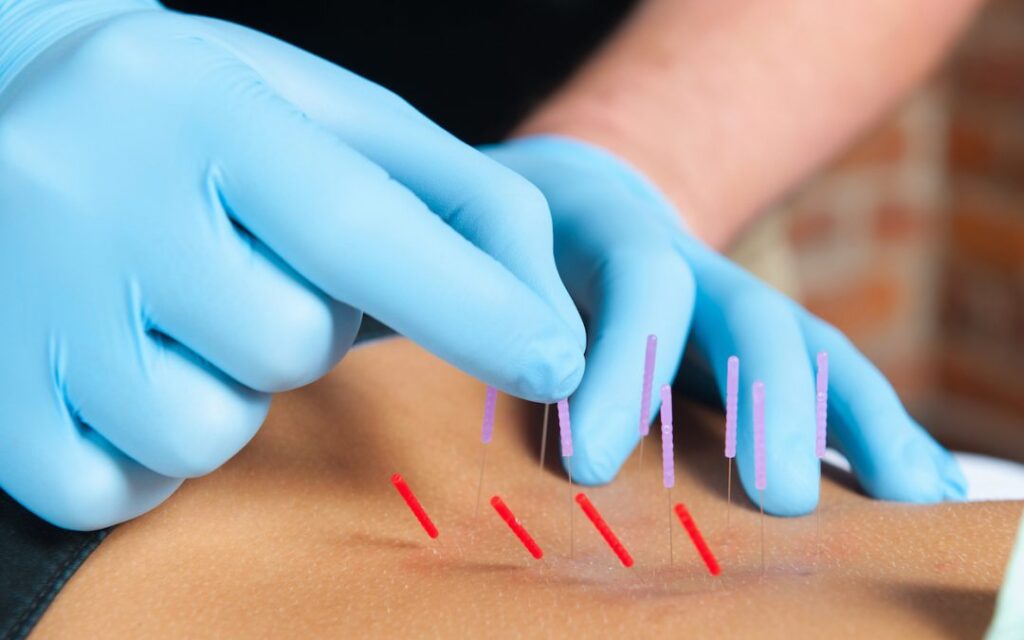
Dry needling is a targeted treatment, gaining prominence for its effectiveness in managing muscular pain and enhancing recovery. The technique involves inserting fine needles into specific points known as ‘trigger points’ to relieve tension and pain. This intervention is not only quick but also minimally invasive.
The procedure is particularly adept at targeting muscle knots and resolving them. By deactivating these trigger points, dry needling helps to restore normal muscle function and reduce pain, providing a significant relief often felt immediately after the session. It can also disrupt pain signals sent to the brain, which helps in decreasing the perception of pain.
Dry needling can be applied to various parts of the body, each with the potential to significantly reduce pain and improve functional movement:
- Muscles: Particularly useful for deep-seated muscular pain.
- Tendons: Helps alleviate tension and repetitive strain injuries.
- Near joints: Effective in reducing pain and increasing range of motion.
Possible Side Effects of Dry Needling
While dry needling is generally safe when performed by a trained professional, it’s important to be aware of some possible side effects. Being informed about these reactions can help you better prepare for and manage them, ensuring a smoother recovery process.
Minor Bleeding
It’s not uncommon to observe minor bleeding at the needle insertion sites during or after a dry needling session. This bleeding is usually very slight and stops quickly.
The needles used are extremely thin and designed to penetrate the skin with minimal disruption, making significant bleeding rare. Patients with sensitive skin or a predisposition to bleeding should inform their practitioner beforehand to take extra precautions.
Bruising
The severity of bruising can vary based on the treatment area and the individual’s skin sensitivity. While typically mild and resolving within a few days, it’s advisable to notify your practitioner if you notice extensive bruising, so they can adjust their technique in future sessions.
Temporary Soreness
Experiencing temporary soreness at and around the treatment areas is one of the most common reactions to dry needling. This soreness generally subsides within 24 to 48 hours.
To alleviate discomfort, it is recommended to apply ice or a cold pack to the affected areas shortly after treatment. Gentle stretching and over-the-counter pain relievers can also help if the soreness persists or becomes particularly uncomfortable.
Fatigue
Some patients report feeling fatigued after a dry needling session. This fatigue can be attributed to the body’s natural healing response being activated by the treatment. It is crucial to listen to your body and allow yourself ample rest to recover. Engaging in light, non-strenuous activities can aid in managing this fatigue and help maintain your energy levels.
Emotional Release
A lesser-known but significant side effect of dry needling is the emotional release that some individuals experience. As the needles help to relax tightly wound muscle tissues, this physical release can sometimes trigger an emotional response. This is generally a positive side effect, indicating a release of built-up tension and stress. Patients should be prepared for this possibility and consider engaging in relaxation techniques post-treatment to support their emotional well-being.
Skin Reactions
Although rare, some patients might experience skin reactions following dry needling. These reactions can include itchiness, redness or swelling around the needle sites. Such symptoms are usually mild and short-lived. However, if you notice persistent or severe reactions, it’s important to contact your healthcare provider. In some cases, topical applications recommended by your practitioner can mitigate these effects.
What to Do After Dry Needling
After undergoing dry needling, adhering to specific post-treatment guidelines is crucial to maximise the therapeutic benefits and facilitate a swift recovery.
Hydrate Adequately
Drinking plenty of water helps to flush out any toxins that are released during the treatment and supports the body’s natural healing processes. Adequate hydration also helps to replenish fluids lost during the session and can aid in reducing any potential soreness or inflammation.
Use Heat or Ice Packs
Depending on your practitioner’s advice, applying heat or ice packs can be beneficial in managing any residual soreness after the treatment. Ice packs are particularly effective at reducing inflammation and numbing sore areas, while heat can help relax and soothe tight muscles. It’s important to use these therapies as directed to avoid any adverse effects.
Perform Light Stretching
Engaging in light stretching after dry needling can help maintain the improvements in mobility achieved during the session. Gentle movements can encourage blood flow to the treated areas, enhancing the healing process and preventing muscles from tightening up.
Monitor the Treated Area
Keep a close eye on the treated areas in the days following your session. Monitoring for any unusual reactions or prolonged discomfort can help you identify any issues early, which allows for timely intervention. This also helps you understand how your body responds to the treatment, which can be useful information for future sessions.
Follow-Up Sessions
Revisiting your practitioner for follow-up sessions may be necessary to achieve the best results, especially for chronic conditions. These sessions can help ensure that the benefits of dry needling are sustained and can provide an opportunity to adjust the treatment plan as needed based on your progress.
Relaxation Techniques
Incorporating relaxation techniques into your routine after dry needling can enhance the recovery process. Techniques, such as meditation, deep breathing or gentle yoga, can help reduce stress and promote physical and emotional well-being, aiding in the overall effectiveness of the treatment.
What to Avoid After Dry Needling
To ensure optimal recovery and avoid complications, here are several precautions to take following a dry needling session.
Avoid Strenuous Activities
Engaging in high-intensity activities immediately after treatment might exacerbate muscle soreness and fatigue. It’s best to give your body a chance to recover by avoiding strenuous physical exertion for at least 24 to 48 hours.
Skip the Gym Session
It’s advisable to skip gym sessions immediately following dry needling. Allowing your body to rest and recover without the additional strain of a workout can prevent unnecessary stress on the treated areas.
Avoid Alcohol and Caffeine
Consuming alcohol and caffeine soon after treatment can dehydrate your body and may worsen any swelling or soreness. Staying away from these substances for a few days can help maintain hydration levels and support the healing process.
Don’t Take a Hot Bath Immediately
While a hot bath may seem soothing, heat can increase inflammation in the freshly treated areas. It’s recommended to wait at least 24 hours before exposing the treated muscles to significant heat, such as in a bath or sauna.
Avoid Massaging the Treated Area
Direct pressure on the treated areas through massage can irritate the affected muscles and potentially disrupt the healing process. It’s best to avoid massaging these areas immediately following the session to prevent any adverse reactions.
Steer Clear of Stressful Activities
Stress can hinder the body’s ability to heal effectively. After dry needling, try to engage in calming activities and avoid situations that may evoke significant stress to support your recovery and maximise the benefits of the treatment.
Closing Thoughts
Dry needling offers numerous benefits for muscle pain and tension, but being prepared for the after-effects is essential. By understanding what to expect after dry needling, you can ensure the best possible outcomes for your health and well-being.
Hydration, careful monitoring of the treatment area and adherence to recommended aftercare practices are key to a successful recovery. Also, avoid strenuous activities and give your body the rest it needs.
Keep in mind that each body reacts differently, so it’s important to listen to yours and consult with your practitioner regarding any concerns during your recovery.
If you’ve just had a session or are considering one, you’re probably wondering what to expect after dry needling. Dry needling is a popular treatment for muscle pain and tightness, but what happens after the needles are out?
Post-treatment, it’s important to hydrate and monitor any soreness in the treated areas. Temporary muscle soreness and slight bruising are common, but they typically subside within 24 to 48 hours. Continuing gentle movement and following specific care guidelines can also significantly enhance your recovery.
It’s normal to have questions about the recovery process and what you might experience in the hours and days following your appointment. In this blog, we’ll walk you through what to expect after dry needling. Whether it’s your first session or you’re a seasoned pro, knowing what to anticipate can help you get the most out of this effective therapy.
What to Expect After Dry Needling – A Quick Overview
After a dry needling session, expect some immediate and short-term reactions that are generally mild and manageable. You might notice minor bleeding and some bruising at the needle sites, which are normal and should resolve quickly. It’s also common to experience temporary soreness and fatigue, reflecting your body’s natural healing response. Additionally, emotional releases or minor skin reactions may occur. All of these underscore the effects of this treatment on the body’s musculoskeletal and nervous systems.
Experience Relief with FlexiFit Physiotherapy’s Dry Needling
If you’re seeking effective relief from muscle pain and stiffness, consider FlexiFit Physiotherapy’s expert dry needling services. Our skilled practitioners are here to guide you through each step, ensuring you receive the most from your treatment.
At FlexiFit, we prioritise your health and comfort, employing the latest techniques to address your specific needs. Ready to feel your best?
Experience how targeted dry needling can ease your discomfort, enhance muscle recovery and improve your overall mobility. Contact us today at 02 8542 9507, or visit our Contact Us page to learn more about our services and book your appointment.
How Does Dry Needling Work?
Dry needling is a targeted treatment, gaining prominence for its effectiveness in managing muscular pain and enhancing recovery. The technique involves inserting fine needles into specific points known as ‘trigger points’ to relieve tension and pain. This intervention is not only quick but also minimally invasive.
The procedure is particularly adept at targeting muscle knots and resolving them. By deactivating these trigger points, dry needling helps to restore normal muscle function and reduce pain, providing a significant relief often felt immediately after the session. It can also disrupt pain signals sent to the brain, which helps in decreasing the perception of pain.
Dry needling can be applied to various parts of the body, each with the potential to significantly reduce pain and improve functional movement:
- Muscles: Particularly useful for deep-seated muscular pain.
- Tendons: Helps alleviate tension and repetitive strain injuries.
- Near joints: Effective in reducing pain and increasing range of motion.
Possible Side Effects of Dry Needling
While dry needling is generally safe when performed by a trained professional, it’s important to be aware of some possible side effects. Being informed about these reactions can help you better prepare for and manage them, ensuring a smoother recovery process.
Minor Bleeding
It’s not uncommon to observe minor bleeding at the needle insertion sites during or after a dry needling session. This bleeding is usually very slight and stops quickly.
The needles used are extremely thin and designed to penetrate the skin with minimal disruption, making significant bleeding rare. Patients with sensitive skin or a predisposition to bleeding should inform their practitioner beforehand to take extra precautions.
Bruising
The severity of bruising can vary based on the treatment area and the individual’s skin sensitivity. While typically mild and resolving within a few days, it’s advisable to notify your practitioner if you notice extensive bruising, so they can adjust their technique in future sessions.
Temporary Soreness
Experiencing temporary soreness at and around the treatment areas is one of the most common reactions to dry needling. This soreness generally subsides within 24 to 48 hours.
To alleviate discomfort, it is recommended to apply ice or a cold pack to the affected areas shortly after treatment. Gentle stretching and over-the-counter pain relievers can also help if the soreness persists or becomes particularly uncomfortable.
Fatigue
Some patients report feeling fatigued after a dry needling session. This fatigue can be attributed to the body’s natural healing response being activated by the treatment. It is crucial to listen to your body and allow yourself ample rest to recover. Engaging in light, non-strenuous activities can aid in managing this fatigue and help maintain your energy levels.
Emotional Release
A lesser-known but significant side effect of dry needling is the emotional release that some individuals experience. As the needles help to relax tightly wound muscle tissues, this physical release can sometimes trigger an emotional response. This is generally a positive side effect, indicating a release of built-up tension and stress. Patients should be prepared for this possibility and consider engaging in relaxation techniques post-treatment to support their emotional well-being.
Skin Reactions
Although rare, some patients might experience skin reactions following dry needling. These reactions can include itchiness, redness or swelling around the needle sites. Such symptoms are usually mild and short-lived. However, if you notice persistent or severe reactions, it’s important to contact your healthcare provider. In some cases, topical applications recommended by your practitioner can mitigate these effects.
What to Do After Dry Needling
After undergoing dry needling, adhering to specific post-treatment guidelines is crucial to maximise the therapeutic benefits and facilitate a swift recovery.
Hydrate Adequately
Drinking plenty of water helps to flush out any toxins that are released during the treatment and supports the body’s natural healing processes. Adequate hydration also helps to replenish fluids lost during the session and can aid in reducing any potential soreness or inflammation.
Use Heat or Ice Packs
Depending on your practitioner’s advice, applying heat or ice packs can be beneficial in managing any residual soreness after the treatment. Ice packs are particularly effective at reducing inflammation and numbing sore areas, while heat can help relax and soothe tight muscles. It’s important to use these therapies as directed to avoid any adverse effects.
Perform Light Stretching
Engaging in light stretching after dry needling can help maintain the improvements in mobility achieved during the session. Gentle movements can encourage blood flow to the treated areas, enhancing the healing process and preventing muscles from tightening up.
Monitor the Treated Area
Keep a close eye on the treated areas in the days following your session. Monitoring for any unusual reactions or prolonged discomfort can help you identify any issues early, which allows for timely intervention. This also helps you understand how your body responds to the treatment, which can be useful information for future sessions.
Follow-Up Sessions
Revisiting your practitioner for follow-up sessions may be necessary to achieve the best results, especially for chronic conditions. These sessions can help ensure that the benefits of dry needling are sustained and can provide an opportunity to adjust the treatment plan as needed based on your progress.
Relaxation Techniques
Incorporating relaxation techniques into your routine after dry needling can enhance the recovery process. Techniques, such as meditation, deep breathing or gentle yoga, can help reduce stress and promote physical and emotional well-being, aiding in the overall effectiveness of the treatment.
What to Avoid After Dry Needling
To ensure optimal recovery and avoid complications, here are several precautions to take following a dry needling session.
Avoid Strenuous Activities
Engaging in high-intensity activities immediately after treatment might exacerbate muscle soreness and fatigue. It’s best to give your body a chance to recover by avoiding strenuous physical exertion for at least 24 to 48 hours.
Skip the Gym Session
It’s advisable to skip gym sessions immediately following dry needling. Allowing your body to rest and recover without the additional strain of a workout can prevent unnecessary stress on the treated areas.
Avoid Alcohol and Caffeine
Consuming alcohol and caffeine soon after treatment can dehydrate your body and may worsen any swelling or soreness. Staying away from these substances for a few days can help maintain hydration levels and support the healing process.
Don’t Take a Hot Bath Immediately
While a hot bath may seem soothing, heat can increase inflammation in the freshly treated areas. It’s recommended to wait at least 24 hours before exposing the treated muscles to significant heat, such as in a bath or sauna.
Avoid Massaging the Treated Area
Direct pressure on the treated areas through massage can irritate the affected muscles and potentially disrupt the healing process. It’s best to avoid massaging these areas immediately following the session to prevent any adverse reactions.
Steer Clear of Stressful Activities
Stress can hinder the body’s ability to heal effectively. After dry needling, try to engage in calming activities and avoid situations that may evoke significant stress to support your recovery and maximise the benefits of the treatment.
Closing Thoughts
Dry needling offers numerous benefits for muscle pain and tension, but being prepared for the after-effects is essential. By understanding what to expect after dry needling, you can ensure the best possible outcomes for your health and well-being.
Hydration, careful monitoring of the treatment area and adherence to recommended aftercare practices are key to a successful recovery. Also, avoid strenuous activities and give your body the rest it needs.
Keep in mind that each body reacts differently, so it’s important to listen to yours and consult with your practitioner regarding any concerns during your recovery.