



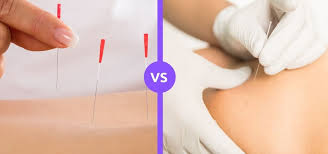
Understanding the difference between dry needling and acupuncture is crucial for those seeking effective pain relief and holistic healing. With many people struggling to decide which therapy suits their specific health needs, clarifying these treatments can help you make an informed choice that optimises your well-being.
Dry needling targets muscle pain and tension directly, addressing myofascial issues, while acupuncture focuses on balancing energy and stimulating the body’s natural healing abilities.
To learn more about how these treatments differ and which one might be right for you, read the full article.
The Difference Between Dry Needling and Acupuncture – A Short Answer
Dry needling and acupuncture may seem similar at first glance, but they differ significantly in their principles and applications. Dry needling targets specific trigger points in the muscles to relieve pain and improve function, and it’s rooted in Western anatomical knowledge. Acupuncture, on the other hand, follows the traditional Chinese medicine approach, aiming to balance the body’s energy, or Qi, and promote overall health.
While dry needling addresses musculoskeletal issues like muscle pain and sports injuries, acupuncture offers holistic healing for stress, anxiety and digestive problems. Choosing between these therapies depends on your specific symptoms and health goals.
Experience Relief with Our Expert Dry Needling Services
If you’re struggling with muscle pain or tension, our expert dry needling services at FlexiFit Physiotherapy can provide the relief you need. Our skilled practitioners use precise techniques to target and alleviate pain and improve your muscle function and overall well-being. Whether you’re an athlete, dealing with chronic pain or recovering from an injury, our dry needling therapy is designed to enhance your recovery and performance.
Don’t let muscle discomfort hold you back. Call us today at 02 8542 9507 or visit our Contact Us page to schedule your appointment and start your journey to pain-free living.
What is Dry Needling?
Dry needling involves inserting thin, solid filiform needles into specific points in the muscles, known as trigger points, to relieve pain and improve function. This technique targets myofascial pain, a type of pain arising from muscles and the surrounding connective tissue.
Unlike acupuncture, dry needling is based on Western anatomical and neurophysiological principles. Practitioners use dry needling to address dysfunctions in the musculoskeletal system. The needles help release muscle knots, reduce inflammation and improve blood flow to the affected areas. This results in pain relief and enhanced muscle function.
Pain and Conditions Managed by Dry Needling
Dry needling addresses a variety of symptoms related to muscle pain and dysfunction. It is particularly effective for individuals suffering from conditions that impact the musculoskeletal system.
Muscle Pain and Tightness
Dry needling effectively treats muscle pain and tightness, commonly caused by overuse, stress or injury. By targeting trigger points within the muscle, dry needling helps release tension and alleviate pain to promote faster recovery and improved muscle function.
Chronic Pain Conditions
Patients suffering from chronic pain conditions, such as fibromyalgia or myofascial pain syndrome, often find relief through dry needling. The technique reduces pain by addressing the underlying muscular issues and improving overall muscle health, which can significantly enhance the quality of life for those with chronic pain.
Sports Injuries
Athletes frequently use dry needling to recover from sports injuries. This therapy aids in reducing inflammation, relieving pain and promoting faster healing of injured muscles. By improving muscle function, dry needling helps athletes return to their peak performance levels more quickly.
Headaches
Many types of headaches, especially tension headaches, originate from muscular issues in the neck and shoulders. Dry needling targets these areas to release muscle tension, provide significant relief from headache symptoms, and reduce the frequency and intensity of headaches.
Benefits of Dry Needling
Dry needling offers several benefits, making it a valuable treatment option for various musculoskeletal issues. Here are some key advantages.
Pain Relief
One of the primary benefits of dry needling is its ability to provide effective pain relief. By targeting specific trigger points, the therapy reduces muscle pain and tension, helping patients manage both acute and chronic pain conditions.
Improved Muscle Function
Dry needling enhances muscle function by addressing the underlying muscular issues that cause pain and dysfunction. This leads to improved strength, flexibility and overall muscle performance, which makes it a valuable treatment for athletes and active individuals.
Enhanced Mobility
Patients often experience enhanced mobility following dry needling sessions. The therapy helps restore normal movement patterns by releasing muscle knots and improving blood flow. As a result, everyday activities are easier and more comfortable.
Reduced Muscle Tension
Chronic muscle tension can lead to pain and restricted movement. Dry needling effectively reduces muscle tension, promoting relaxation and improving the overall health of the muscles. This benefit is particularly valuable for individuals who suffer from stress-related muscle issues.
Who Benefits Most from Dry Needling
Dry needling suits various individuals, particularly those with specific musculoskeletal issues. Here are the groups that benefit from it the most.
Athletes
Athletes benefit significantly from dry needling due to its ability to enhance muscle recovery and performance. Whether dealing with injuries or seeking to maintain optimal muscle health, dry needling provides a targeted approach to pain relief and improved function.
Individuals with Chronic Pain
People with chronic pain conditions, such as fibromyalgia or myofascial pain syndrome, find relief through dry needling. The therapy addresses the root causes of pain within the muscles and offers a sustainable solution for long-term pain management.
Patients Recovering from Surgery or Injury
Patients recovering from surgery or injury can accelerate their recovery process with dry needling. By reducing inflammation and improving muscle function, the therapy supports faster healing and helps restore normal movement and activity levels.
People with Muscle Tightness
Individuals suffering from muscle tightness due to stress, overuse or poor posture benefit from dry needling. The therapy releases muscle knots and tension, which then promotes relaxation and improves overall muscle health.
What is Acupuncture?
Acupuncture is a traditional Chinese medicine technique that involves inserting thin needles into specific points on the body, known as acupuncture points, to balance the body’s energy flow, or Qi. This practice aims to promote natural healing and improve overall health.
Acupuncture targets various health issues by stimulating the body’s energy pathways, known as meridians. By restoring balance and harmony within these pathways, acupuncture helps alleviate pain, reduce stress and enhance overall well-being.
Issues Addressed by Acupuncture
Acupuncture addresses a wide range of symptoms by balancing the body’s energy and promoting natural healing. Some key conditions it effectively treats are:
Stress and Anxiety
Acupuncture effectively treats stress and anxiety by promoting relaxation and balancing the body’s energy. The therapy helps calm the nervous system, reduce stress hormones and improve overall mental well-being.
Chronic Pain Conditions
Patients with chronic pain conditions, such as arthritis, back pain and migraines, find relief through acupuncture. The therapy reduces pain by stimulating the body’s natural painkillers and improving blood flow to the affected areas.
Digestive Issues
Acupuncture addresses digestive issues like irritable bowel syndrome, acid reflux and constipation by regulating the digestive system and improving gut health. It promotes better digestion and overall gastrointestinal function.
Insomnia
Individuals suffering from insomnia benefit from acupuncture, as it promotes relaxation and improves sleep quality. By balancing the body’s energy and calming the mind, acupuncture helps restore healthy sleep patterns.
Benefits of Acupuncture
Acupuncture offers a variety of benefits, making it a popular choice for holistic health care. Here are some advantages to consider.
Holistic Healing
Acupuncture offers holistic healing by addressing the root causes of health issues rather than just the symptoms. This comprehensive approach promotes overall wellness and supports the body’s natural ability to heal.
Improved Energy Flow
The therapy improves energy flow within the body by removing blockages and restoring balance. This results in increased vitality, better physical and mental health, and enhanced overall well-being.
Stress Reduction
Acupuncture effectively reduces stress by promoting relaxation and balancing the body’s energy. This leads to improved mental clarity, reduced anxiety and a greater sense of calm and well-being.
Enhanced Immune Function
The therapy boosts the immune system by improving the body’s natural defences. Acupuncture helps regulate immune responses, which makes the body more resilient to infections and illnesses.
Who Should Consider Acupuncture?
Acupuncture is ideal for individuals seeking a holistic approach to health and wellness. Among the groups that benefit the most are:
Individuals Seeking Holistic Treatment
Individuals seeking holistic treatment find acupuncture beneficial due to its comprehensive approach to health and wellness. The therapy addresses both physical and emotional aspects of health, promoting overall well-being.
Patients with Chronic Conditions
Patients with chronic conditions benefit from acupuncture as it provides long-term relief from symptoms and improves overall health. The therapy helps manage pain, reduce stress and enhance the body’s natural healing processes.
People Looking for Stress Relief
Individuals looking for stress relief find acupuncture effective in promoting relaxation and reducing anxiety. The therapy helps balance the body’s energy, leading to improved mental clarity and emotional stability.
Those Interested in Traditional Healing Methods
Those interested in traditional healing methods appreciate acupuncture for its rich history and holistic approach. The therapy provides a natural and effective way to address health issues and promote overall wellness.
Key Differences Between Dry Needling and Acupuncture
While both dry needling and acupuncture use needles, they differ significantly in their principles, techniques and treatment approaches. Understanding these differences helps in choosing the right therapy for your needs.
Principles and Techniques
Dry needling is based on Western anatomical and neurophysiological principles, focusing on muscle pain and dysfunction. In contrast, acupuncture is rooted in traditional Chinese medicine, aiming to balance the body’s energy flow, or Qi.
While both therapies use needles, their application and purpose vary significantly. Dry needling targets specific trigger points within the muscles to relieve pain and improve function. Acupuncture, on the other hand, stimulates acupuncture points along the body’s meridians to promote holistic healing and restore energy balance.
Approach to Treatment
Dry needling focuses on addressing musculoskeletal issues, such as muscle pain, tension and sports injuries. The therapy aims to release muscle knots, reduce inflammation and improve muscle function.
On the other hand, acupuncture takes a more holistic approach by addressing a wide range of health issues, including stress, anxiety, chronic pain, digestive problems and insomnia. The therapy aims to balance the body’s energy, promote relaxation and support overall health and well-being.
Types of Conditions Addressed
The types of conditions addressed by dry needling and acupuncture reflect their differing principles and approaches. Dry needling is best for musculoskeletal conditions, such as muscle pain, chronic pain, sports injuries and headaches. It provides targeted relief by addressing the specific muscular issues causing these conditions.
Acupuncture, in contrast, treats a broader range of health issues, including stress, anxiety, chronic pain, digestive problems and sleep disorders. It offers holistic healing by balancing the body’s energy and addressing both physical and emotional aspects of health.
Wrapping Up
Knowing the difference between dry needling and acupuncture helps in choosing the right therapy for your health needs. Dry needling targets musculoskeletal pain and dysfunction, and it is ideal for athletes and those with chronic pain or injuries. On the other hand, acupuncture offers holistic healing by balancing the body’s energy, and it is suitable for stress relief and managing chronic conditions.
Both therapies, dry needling and acupuncture, provide effective solutions for improving health and well-being. To determine which treatment best suits your specific needs and goals, consult a healthcare professional and consider your symptoms, health objectives and preferences.